“In building a society it should always be remembered that a congenial membership is more important than numerical strength.” – Dr. William T. Innes, Exotic Aquarium Fishes (1935)
By May 2019 I had been a hobbyist for over 35 years, with multiple tanks, ponds, and fishrooms under my belt. I authored a couple of books and magazine columns, did speaking engagements around the USA and Canada, and held various positions within local, regional, and national aquarium societies, including Journal Editor and National Convention Chair. But most importantly, the social connections and friendships formed were the most rewarding.
However, one aspiration was still in my (water change) bucket list: establishing an aquarium club in my own backyard. Specifically, the under-served northwest corner of my Garden State known as The New Jersey Skylands.
It was that month of May 2019 I learned of the passing of three hobby friends, two within days of each other from rare diseases. This shifted the dream of forming my own club from “When I have the time” to “Do it now!” But I wanted to create a different and better kind of fish club, taking into consideration the best and worst experiences I had encountered over my many years in the organized hobby.
Traditional “Fish Clubs”
The primary goal of nearly every aquarium society or club is to educate the public monthly with a Speaker Program, followed by an auction of members’ fish and plants. Seasonal all-day auction fundraisers or “swap meets” are common, plus holiday parties, shop hops, and summer picnics. Discounts to local pet stores are a popular member bennie. Most of these clubs manage to operate smoothly, albeit with volunteer shortages and the occasional personality clashes.
The traditional aquarium society is not without its challenges, however. Standard auditorium-style seating makes it difficult to meet people and creates an “entertain me” venue atmosphere. Add in newsletters, finding and hosting speakers, food, large meetings to set up, special events – a fish club now requires a small army of volunteers. This raises member expectations, leading to complaints. Filling positions is a challenge in any organization, which often leads to ineffectual or uncongenial leaders getting elected by default. Long and sometimes contentious board meetings are not uncommon with some “leaders” have contemot for their members. And with fundraisers, dues, and raffles to meet rents and speaker costs (or just for the absurd sake of building up the treasury), income production often, unethically, becomes a goal.
So it is not uncommon to witness aquarium clubs in crisis with overburdened or criticized volunteers, bickering Boards, and offensive rabble rousing members not shown the back door. This leads to visitors not returning, good members leaving, and the bad actors staying. Worst-case scenarios include coup attempts, treasury theft, and club dissolution. Sadly, I have seen or heard about these on multiple occasions.
Alternative Models
An effective club (of any kind) should be an antidote to our increasingly isolated, online, and anonymous culture by increasing the social capital of its members. The clubs I admire most, and the ones with the most loyal following, seem to have 3 things in common:
- they are managed by administrators instead of committees (simple),
- they prioritize fellowship over finances (fun)
- they focus on people over programs (friendly)
The smaller specialty clubs, like for killifish and aquatic plants, often follow this model. Indeed, some are just a group of friends meeting at each other’s homes or at a community center or church hall to “talk fish and plants” and swap livestock. And they work really, really well without bad actors and bureaucracy.
The SAWGG Model:
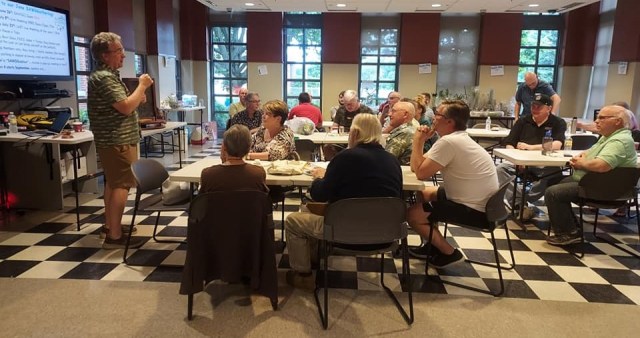
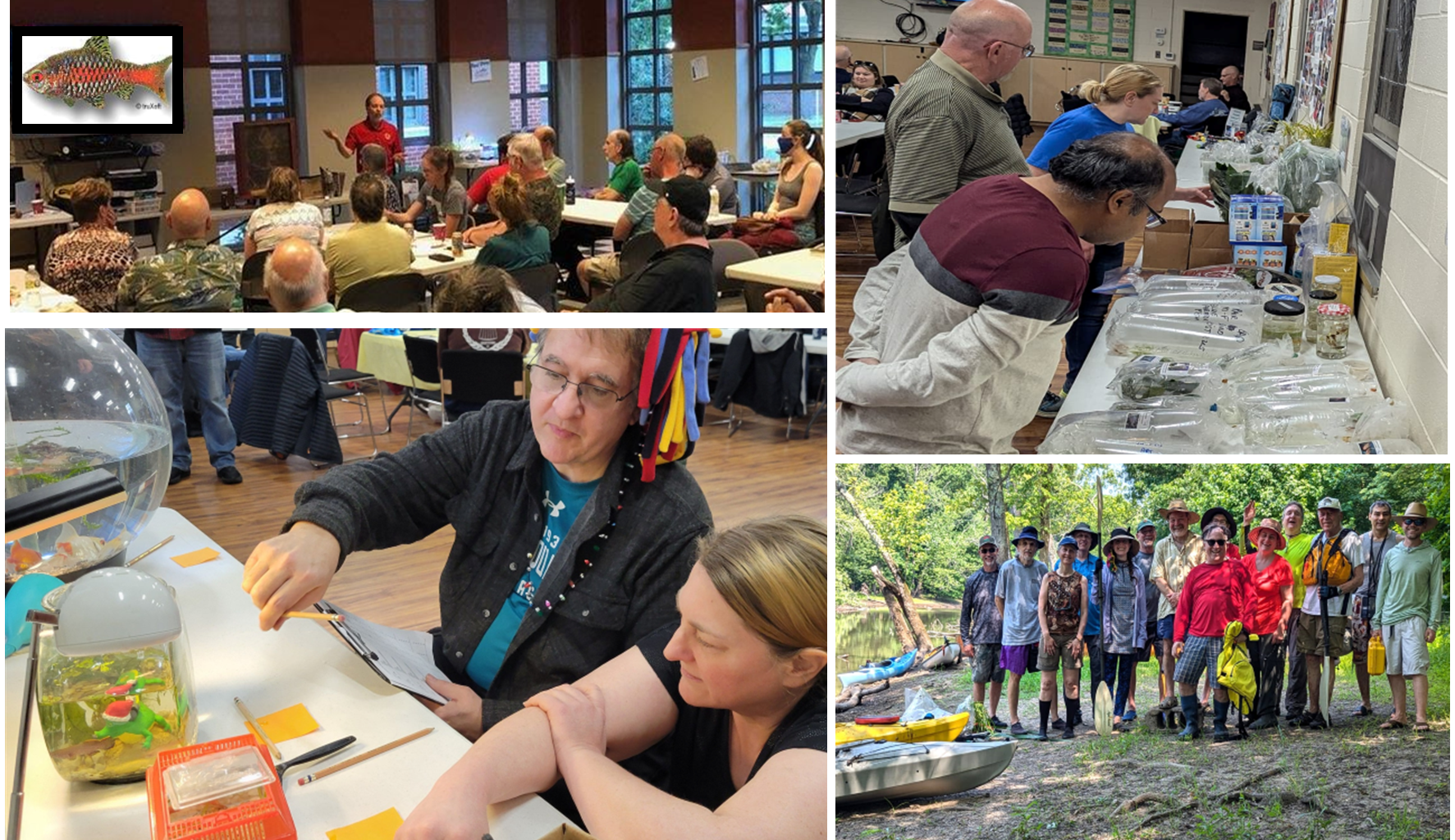
SAWGG was inspired by the small group format and specialty aquarium clubs. These tight-knit groups meet in-the-round and encourage harmony and social connection. Thus our name, Skylands Aquarium & Water Garden Group, with tables and chairs (and a potluck) at our meetings.
SAWGG intentionally incorporated as a non-profit social club based on Federal 501c7 guidelines. This means we prioritize our members. We are required to curate our membership (no walk-ins) and create frequent opportunities for them to connect. We can only rely on member dues, donations, and assessments for budgeting. This effectively prevents SAWGG from morphing into “business model” mode which plagues many supposedly “non-profit” fish clubs.
As a hybrid approach, SAWGG incorporates the best features of traditional aquarium societies. We offer breeder award programs, bowl shows, occasional speakers, and auctions—only streamlined to require fewer volunteers, less effort, and less costs. SAWGG operates with a Perpetual Board of Trustees (no general elections) that only meets as needed. “Simple, fun, and friendly” is in our Charter and By-Laws as our core operating principle.
The Result
SAWGG held its inaugural meeting on Friday, September 6, 2019, to a welcoming crowd. The Group has cultured new friendships among local hobbyists, who share information, livestock, and supplies. For me, SAWGG has been a dream fulfilled, surpassing all expectations. I highly recommend our approach (or even simpler) to anyone considering starting their own aquarium club or group.
 Skylands Aquarium & Water Garden Group